
Starting a new workout can feel exciting, especially when you’re eager to see results. Yet small mistakes can quietly derail your progress or increase your risk of injury. Many people push harder without realizing that their bodies need time to adapt. Others skip warmups, ignore proper form, or treat pain as something they should simply tolerate. Physical therapists often see these patterns in people who want to get fitter quickly. The good news is that most exercise mistakes are easy to correct once you recognize them.
By learning what to change, you can build a safer exercise routine, improve movement quality, support injury prevention, and enjoy consistent workouts without unnecessary setbacks or burnout.
Why Common Exercise Mistakes Can Hurt Your Progress
Exercise should make your body more capable, not constantly exhausted. Yet common exercise mistakes can create unnecessary stress when your training moves faster than your body can adapt. For example, suddenly adding heavy weights or longer workouts may overload muscles and connective tissues before they’re ready.
The problem isn’t always obvious at first. You might feel motivated because your workouts seem harder. Meanwhile, repeated stress can build quietly. Over time, poor recovery or faulty movement may contribute to overuse injuries, joint irritation, or stubborn fatigue. Smart training gives your body enough time to strengthen between challenging sessions.
Another important point involves expectations. Many people assume that feeling extremely sore means a workout worked well. That isn’t necessarily true. Good muscle activation and controlled movement matter more than simply making an exercise feel brutal.
Physical therapists often emphasize gradual progression because your body adapts in stages. Your cardiovascular system may improve before your tendons and ligaments fully adjust. Similarly, strength can increase before your movement patterns become consistent under heavier loads.
| Training habit | Potential problem | Smarter approach |
|---|---|---|
| Increasing workouts suddenly | Higher injury risk | Progress gradually |
| Skipping warmups | Poor movement preparation | Use light cardio and dynamic movements |
| Constantly adding volume | Excessive fatigue | Balance training with recovery |
| Ignoring technique | More joint stress | Prioritize proper form |
| Exercising through pain | Possible worsening problem | Modify movements or rest |
The goal isn’t to avoid challenging yourself. Instead, you want to challenge your body in a way it can handle and recover from. That approach can help you exercise safely and effectively while keeping your routine sustainable.
Doing Too Much Too Soon
Starting a new exercise routine can create a burst of motivation. You may suddenly want to train every day, lift heavier weights, or copy advanced workouts online. However, doing too much too soon is one of the easiest ways to turn enthusiasm into an unwanted setback.
Your body needs time to adapt to new demands. Muscles can become stronger relatively quickly. However, tendons, ligaments, and joints often adapt more slowly. If you increase exercise duration, resistance, or intensity too quickly, the tissues supporting your movement may struggle to keep up.
Imagine buying a new car and immediately driving it at maximum speed every day. The engine might handle it for a while. Eventually, though, constant stress can create problems. Your body works in a similar way. Training needs progression rather than a daily race against your previous performance.
Start Slowly and Progress Gradually
A safer approach is simple: start slowly and progress gradually. If you’re new to exercise, begin with a workload that feels manageable. Once your body becomes comfortable with that level, increase one variable at a time.
For example, you might begin with three 20-minute workouts each week. After several weeks, you could increase the duration slightly. Later, you might add resistance or another training session.
You don’t need to change everything simultaneously. In fact, changing too many variables makes it harder to understand why something suddenly hurts or feels excessively difficult.
Why Recovery Matters as Much as Training
Here’s something many beginners overlook: training creates a stimulus, while muscle recovery allows your body to adapt to it. Without enough recovery time, repeated workouts can produce excessive fatigue instead of steady improvement.
This matters especially during strength training and resistance-based workouts. Your muscles need time to repair after challenging sessions. Your joints and connective tissues also need opportunities to recover from repeated loading.
A sustainable routine therefore balances training stress with rest. You don’t lose progress simply because you take a recovery day. In many cases, recovery helps you return stronger and perform your next workout with better movement quality.
Watch Your Training Volume
Another common mistake involves increasing exercise volume too quickly. Volume can include factors such as sets, repetitions, workout duration, or the total amount of resistance used.
More volume isn’t automatically better. Your ideal workload depends on your fitness level, training experience, recovery needs, sleep, nutrition, and other lifestyle factors.
If your normal workout includes three sets of an exercise, suddenly performing six or eight sets can dramatically change the training demand. Your muscles may tolerate it once. Repeating that jump every session can create excessive fatigue.
The better strategy is controlled progression. Give your body time to adapt before adding another layer of difficulty.
When Motivation Becomes the Problem
Motivation usually helps you stay active. Yet excessive motivation can sometimes encourage poor decisions. You might ignore tiredness because you don’t want to miss a workout. You might also increase weights simply because the previous session felt easy.
That mindset can turn regular exercise into a cycle of pushing, exhaustion, and missed sessions.
Consistency matters more than one heroic workout. A moderate routine you can follow for months usually beats an extreme routine that lasts two weeks.
A Simple Progression Example
Consider someone returning to exercise after several months away. During the first week, they complete three moderate workouts. Everything feels manageable. Instead of doubling the workload during week two, they keep the same basic structure while slightly increasing duration or resistance.
By progressing gradually, the person gives muscles, joints, and connective tissues time to adjust. That patience may feel slow at first. However, it creates a much stronger foundation for long-term fitness.
The same principle applies whether you exercise at home, use a gym, or follow a structured fitness program. Exercise at your fitness level first. Then build from there.
The Physical Therapist Perspective
Physical therapists often see the consequences when people ignore gradual progression. A person may arrive with recurring knee discomfort, shoulder irritation, or lower back strain after suddenly changing their training routine.
That doesn’t mean exercise caused the problem by itself. The issue often comes from a mismatch between training demands and the body’s current capacity.
The solution isn’t necessarily stopping all physical activity. Instead, you may need to reduce intensity, change the movement, improve technique, or allow more recovery time.
That’s why one of the most useful exercise mistakes to avoid is treating every workout like a test of willpower. Your body isn’t a machine with unlimited capacity. It responds to stress, adapts to it, and needs time between challenges.
Thinking More Exercise Is Always Better
More exercise can feel like the fastest path to progress. However, doing too much exercise can create problems when your body doesn’t get enough time to adapt. Increasing training volume too quickly may lead to excessive fatigue, poor performance, and a higher chance of overuse problems.
Your muscles need a balance between training and recovery. During exercise, you create stress that encourages your body to adapt. During muscle recovery, your body repairs tissues and prepares for the next session. That’s why adequate recovery matters just as much as the workout itself.
Finding the Right Training Volume
The ideal amount of exercise depends on your fitness level, goals, exercise type, and recovery needs. Someone new to resistance training shouldn’t copy the routine of an experienced athlete. Start with manageable exercise sets and gradually increase the workload as your body becomes stronger.
| Training mistake | What may happen | Smarter approach |
|---|---|---|
| Too many workouts | Excessive fatigue | Add rest periods |
| Rapidly increasing sets | Higher overuse risk | Increase volume gradually |
| Training every muscle daily | Poor muscle recovery | Allow recovery between sessions |
| Ignoring fatigue | Lower movement quality | Reduce workout intensity when needed |
Ultimately, balance training with recovery rather than chasing exhaustion. A workout doesn’t need to leave you completely drained to be effective. Consistent training that your body can handle usually supports better long-term results than repeated sessions that leave you exhausted.
Trying to Push Through Pain
One of the most important exercise mistakes to avoid is assuming every painful sensation means you should keep going. Exercise can create mild soreness or temporary muscle fatigue. However, sharp or worsening discomfort deserves attention rather than determination.
A useful distinction is simple: normal exercise soreness often feels like tired or tender muscles after unfamiliar activity. In contrast, sharp pain, significant joint discomfort, or persistent pain may signal that something needs to change. Continuing the same movement can sometimes make the problem worse.
Soreness Is Not the Same as Pain
Pay attention to how your body responds during and after exercise. If a movement repeatedly causes pain during exercise, stop and reassess the technique or workload. You may need to modify the exercise, reduce resistance, shorten the range of motion, or rest when needed.
For example, suppose lunges repeatedly cause knee discomfort. Instead of forcing every repetition, reduce the range or choose another movement temporarily. If symptoms continue, physical therapist guidance can help identify possible movement problems and safer alternatives.
The goal isn’t to avoid every challenging sensation. Good training should challenge you. The goal is to recognize when your body is asking for a change. Learning to listen to your body can help you stay active while reducing unnecessary injury risk.
Ignoring Proper Exercise Form
Good technique is the foundation of every safe workout. Many common exercise mistakes happen because people focus only on speed, heavier weights, or more repetitions. However, proper form protects your joints, improves movement quality, and helps the correct muscles work together. Physical therapists explain that bad habits repeated over time create extra joint stress, increase injury risk, and reduce exercise performance.
When you use proper exercise technique, you improve muscle activation, reduce muscle compensation, and make every movement more effective. A few small adjustments can prevent pain and lead to better results. Research suggests that improving movement patterns lowers the chance of exercise-related injuries and supports long-term fitness progress.
Table: Common Form Mistakes and Simple Fixes
| Exercise | Common Mistake | Possible Problem | Better Technique |
|---|---|---|---|
| Deadlifts | Bar too far from body | Lower back strain | Keep bar close |
| Squats | Poor knee alignment | Knee stress | Keep knees tracking naturally |
| Lunges | Steps too short | Joint pressure | Take longer steps |
| Pushups | Wrong elbow position | Shoulder stress | Keep elbows closer |
| Planks | Poor shoulder position | Neck strain | Relax shoulders |
Deadlift Form Matters More Than Heavy Weights
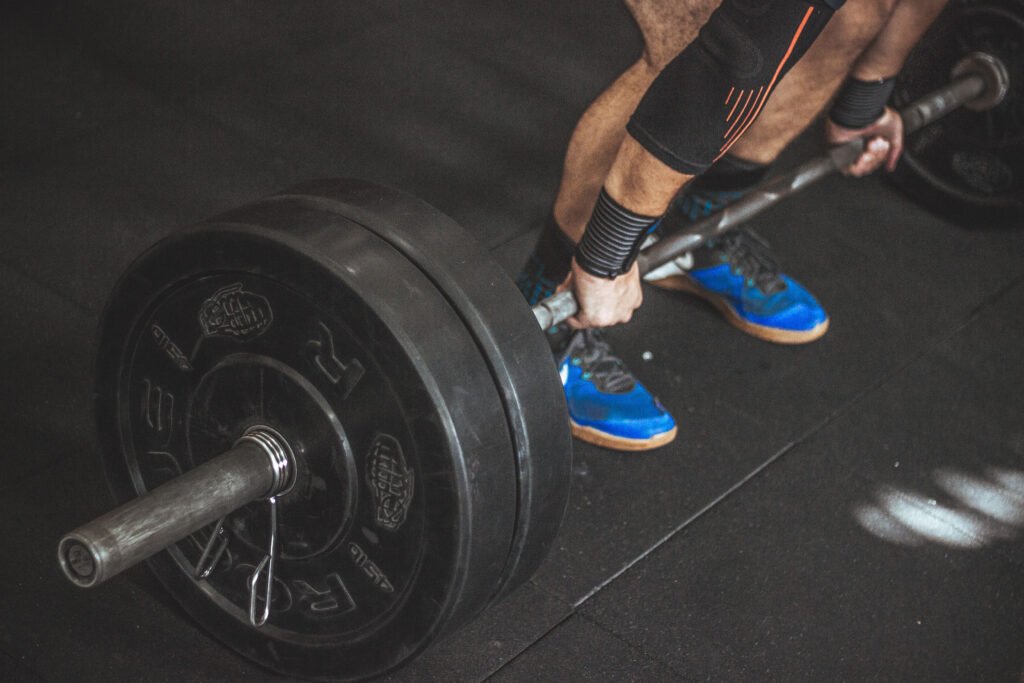
Many people love deadlifts, but incorrect deadlift form places extra pressure on the lower body. The movement should start with a proper hip hinge, not with a rounded back. Keeping the bar close reduces lower back strain and improves strength safely.
Squat Form Protects Your Knees
During squats, forcing your feet into unnatural positions may increase knee stress. Good squat form allows natural movement. Proper body alignment creates smoother motion and lowers the chance of pain.
Kettlebell Swings Should Use the Hips
Many people turn kettlebell swings into squats. However, correct kettlebell swing form relies on a strong hip hinge. The hips create power while the back stays protected.
Lunges Require Correct Positioning
Incorrect lunge form often leads to joint discomfort. Taking larger steps improves balance and reduces pressure on the knees. Proper alignment supports stronger muscles and safer movement.
Pushups and Planks Need Attention
Bad pushup form often causes shoulder stress, while poor plank form creates neck strain. Small adjustments improve comfort and make exercises far more effective.
Trying to Push Through Pain
Many people believe that pain means progress. That idea creates some of the most dangerous exercise mistakes to avoid. Muscle soreness is normal after training. However, sharp pain, persistent pain, or worsening pain are signs that something needs attention. Learning the difference between discomfort and injury is important for injury prevention.
Experts often repeat one simple message: listen to your body. If an exercise causes pain during exercise, stop and evaluate the movement. You may need to modify the exercise, reduce intensity, or take more recovery time. Ignoring pain often increases the risk of injury and delays progress.
Table: Soreness vs Pain
| Normal Muscle Soreness | Warning Pain |
|---|---|
| Mild discomfort | Sharp pain |
| Improves after movement | Gets worse |
| Lasts 1–3 days | Continues longer |
| Affects muscles | Affects joints |
| Feels manageable | Stops movement |
H3: Why You Should Never Push Through Pain
Trying to push through pain often turns a small issue into a larger problem. Physical therapists encourage people to back off, rest when needed, and seek professional guidance if pain continues. Smart athletes know that recovery is part of progress. Short breaks today prevent long injuries tomorrow.
Not Listening to Your Body During Workouts
Your body gives signals every day. Energy levels, muscle fatigue, sleep quality, and stress affect your performance. Ignoring these signs is one of the most overlooked common workout mistakes. Training hard every day without considering recovery can lead to overtraining, excessive fatigue, and burnout.
A smarter approach combines effort with recovery. Some days require intense training while others need lighter physical activity. This balance supports muscle recovery, protects connective tissues, and improves long-term results. Athletes who understand recovery often perform better than those who train harder without rest.
Signs Your Body Needs More Recovery
| Body Signal | What It May Mean |
|---|---|
| Constant tiredness | Training fatigue |
| Poor sleep | Recovery problems |
| Ongoing soreness | Too much volume |
| Joint discomfort | Need more rest |
| Reduced performance | Possible overtraining |
How to Build a Safer and Smarter Workout Routine
A successful fitness routine is not built on extreme effort. It grows through consistency. Experts recommend starting slowly, increasing exercise gradually, and balancing work with recovery. This method supports safe exercise, reduces injury risk, and creates better long-term outcomes.
A balanced plan includes strength training, resistance training, light cardio, warmups, and rest days. The goal is not perfection. The goal is sustainability. When you create a safe and effective workout, you improve overall health, support muscle growth, and enjoy exercise for years.
Example Weekly Smart Workout Plan
| Day | Activity |
|---|---|
| Monday | Strength Training |
| Tuesday | Light Cardio |
| Wednesday | Recovery |
| Thursday | Resistance Training |
| Friday | Mobility Work |
| Saturday | Home Workout |
| Sunday | Rest |
Trying to Push Through Pain
Exercise can challenge you, but it shouldn’t leave you fighting sharp pain or worsening pain. There’s an important difference between normal muscle soreness and pain that signals a problem. If a movement causes sudden pain or unusual joint discomfort, stop and reassess rather than forcing another repetition.
Instead, listen to your body and change the movement when needed. You might reduce the weight, shorten the range of motion, slow the exercise or take a rest day. These small adjustments can support injury prevention and help you stay active without turning a minor problem into a longer setback.
| What you feel | What it may mean | Smarter response |
|---|---|---|
| Mild muscle soreness | Normal training response | Continue gently if comfortable |
| Muscle fatigue | Muscles are becoming tired | Reduce intensity or rest |
| Joint discomfort | Movement may need adjustment | Modify the exercise |
| Sharp pain | Possible injury or irritation | Stop the movement |
| Persistent pain | Problem may need assessment | Seek professional guidance |
| Worsening pain | Symptoms are increasing | Stop and get evaluated |
Pain vs. Normal Exercise Soreness
Mild soreness often appears after a new workout or increased training volume. It may feel uncomfortable but usually improves with time and normal recovery. Persistent pain, however, deserves more attention, especially when it affects everyday movement or continues despite rest.
If pain started after an injury or keeps returning during workouts, consider speaking with a physical therapist or other qualified health care professional. Getting help early can make it easier to identify movement problems and return to exercise safely.
Not Listening to Your Body During Workouts
Your body gives you useful information throughout every workout. Ignoring those body signals can make ordinary fatigue harder to distinguish from a problem that needs attention. For example, declining coordination, unusual weakness or worsening discomfort may indicate that your workout needs a change.
Instead of treating every difficult session as a test of willpower, learn to adjust your workout intensity. A lighter session can still support your fitness goals. More importantly, allowing your body to recover helps you maintain consistency rather than repeatedly starting over after setbacks.
Know When to Back Off
Sometimes the smartest training decision is to back off. If your form deteriorates near the end of a set, stop before technique becomes unsafe. Likewise, if you feel unusually exhausted for several sessions, your body may need more recovery time rather than another hard workout.
A sustainable routine should challenge you without constantly draining you. When you balance training with recovery, you give muscles and connective tissues time to adapt. That balance can make your workouts more productive while reducing unnecessary injury risk.
Final Thoughts: Exercise Smarter, Not Just Harder
Ultimately, avoiding common exercise mistakes isn’t about making every workout perfect. It’s about understanding how your body responds to training. Starting gradually, using proper form, warming up, and allowing adequate recovery can make your routine safer and more productive.
Most importantly, listen to your body instead of treating discomfort as something you must defeat. A sustainable routine should challenge you without constantly leaving you exhausted or injured. When you balance effort with recovery, you create healthier habits that can support long-term results and consistent physical activity.
Frequently Asked Questions About Exercise Mistakes
What not to say to a physical therapist?
Avoid saying things like “pain is normal” or “I’ll just push through it.” Be honest about your symptoms, limitations, previous injuries, and what feels uncomfortable during treatment.
What exercise should seniors not do?
Seniors should avoid exercises that cause pain, dizziness, or excessive strain, especially without professional guidance. High-impact or poorly supervised movements may increase injury risk.
What are three exercises seniors should do every day?
Gentle walking, balance exercises, and simple strength movements can support mobility and independence. The right routine should match the person’s health, fitness level, and physical abilities.
How do you know when it’s time to stop physical therapy?
You may be ready to stop when you’ve reached your treatment goals and can manage your exercises safely on your own. Your physical therapist can help determine whether continued treatment is necessary.
What is a red flag in physical therapy?
Severe or worsening pain, new weakness, numbness, loss of coordination, or other unusual symptoms can be red flags. Tell your physical therapist promptly if these occur.