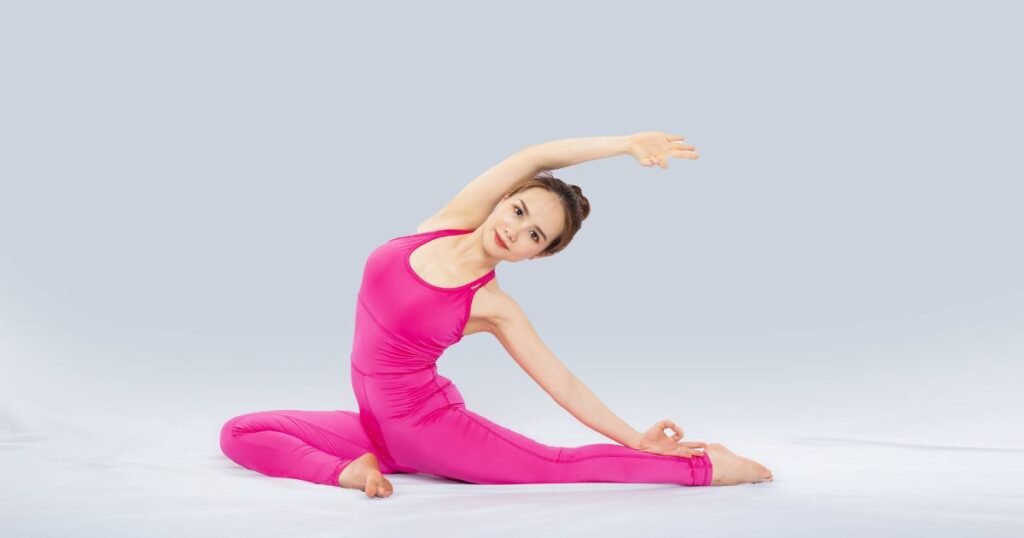
The 90/90 Hip Stretch is one of the most effective exercises for improving Hip Mobility and increasing your Range of Motion. Whether you sit at a desk all day, exercise regularly, or simply struggle with tight hips, this stretch can help restore healthy movement and reduce stiffness. It targets both External Rotation and Internal Rotation, making it more effective than many traditional hip stretches. With regular practice, you may notice better posture, smoother squats, easier walking, and less discomfort in your lower back and knees.
In this guide, you’ll learn the correct technique, key benefits, common mistakes, helpful variations, and expert tips to perform the stretch safely and effectively.
What Is the 90/90 Hip Stretch?
1. What Is the 90/90 Hip Stretch?
The 90/90 Hip Stretch is a seated Hip Stretch that places both legs at 90-degree angles. One hip moves into External Rotation while the other moves into Internal Rotation. This unique position gently stretches muscles around the hips and improves overall movement. Many physical therapists recommend it because it develops better control instead of only increasing flexibility.
Unlike traditional stretching, this exercise targets several movement patterns together. It improves Hip Flexibility and encourages smoother Range of Motion during daily activities. Whether you sit at a desk, train in the gym, or enjoy sports, this stretch helps create healthier hips and more comfortable movement.
Why Is It Called the 90/90 Hip Stretch?
The name comes from the position of your legs. Both knees stay bent at about 90 degrees while your front and back legs create two right angles. This setup allows your hips to rotate safely while keeping your body balanced.
Which Muscles Does the 90/90 Hip Stretch Target?
The stretch works several important Hip Muscles at once. It activates the gluteus maximus, piriformis, psoas muscle, hip flexors, thigh muscles, and deep stabilizing muscles around the pelvis. Together these muscles support walking, squatting, running, and standing comfortably.
Why Hip Mobility Matters for Everyday Movement
Good Hip Mobility allows your body to move naturally without placing extra stress on your knees or lower back. Healthy hips improve balance, posture, and flexibility. They also help your body perform everyday movements with less effort and greater comfort.
| Muscle Group | Primary Function |
|---|---|
| Gluteus Maximus | Hip extension and stability |
| Piriformis | Hip rotation |
| Psoas Muscle | Hip flexion |
| Hip Flexors | Leg lifting and walking |
| Thigh Muscles | Lower body movement |
2. Benefits of the 90/90 Hip Stretch
One of the biggest advantages of the 90/90 Hip Stretch is that it can improve hip mobility without needing special equipment. Better hip movement often leads to easier squats, smoother lunges, and improved athletic performance. As your hips become more mobile, your body can move more efficiently during exercise and daily activities.
This simple exercise may also help reduce back pain by decreasing tension around the hips. When tight hips limit movement, the lower back often works harder than it should. Regular practice encourages muscle relaxation, supports healthy joints, and improves overall posture. Many people notice less stiffness after only a few weeks of consistent practice.
Improves Hip Mobility and Flexibility
Regular practice increases hip mobility and develops flexible hips. Better mobility helps you bend, squat, and walk with greater comfort while reducing movement restrictions.
Helps Reduce Lower Back and Hip Pain
Tight hips often place extra pressure on nearby joints. As mobility improves, many people experience less Back Pain, better posture, and smoother movement throughout the day.
Supports Better Squats, Lunges, and Athletic Performance
Greater hip rotation allows deeper squats and stronger lunges. Athletes often include this mobility training exercise before workouts because it prepares the body for movement.
Enhances Posture and Daily Movement
Healthy hips improve alignment from your pelvis to your spine. Better posture reduces unnecessary strain while making walking, climbing stairs, and standing feel easier.
| Benefit | How It Helps |
|---|---|
| Better Hip Mobility | Improves movement quality |
| Reduced Stiffness | Easier daily activities |
| Improved Posture | Less stress on the spine |
| Better Athletic Performance | Stronger lower-body movement |
| Joint Health | Supports healthy movement patterns |
3. How to Do the 90/90 Hip Stretch Correctly
Start by sitting on the floor with one leg positioned in front of your body and the other behind you. Both knees should remain close to 90 degrees. Keep your chest lifted and maintain a straight spine instead of rounding your back. Relax your shoulders and allow your hips to settle naturally into the stretch.
Next, gently lean forward by hinging from your hips rather than bending your back. Focus on slow breathing while you hold the stretch for about 20 to 40 seconds. You should feel a comfortable stretch around your hips without sharp discomfort. Repeat on both sides to improve balance and Joint Mobility.
Step-by-Step Guide for Beginners
Sit comfortably with both legs forming 90-degree angles. Place your hands beside your body for support. Keep your hips level and move slowly into the stretch.
Proper Body Position and Alignment
Maintain good proper posture by keeping your shoulders relaxed and your chest open. Your pelvis should stay stable while your torso leans slightly forward.
Breathing Technique During the Stretch
Use slow breathing to relax tight muscles. Inhale deeply through your nose and exhale slowly through your mouth. Good breathing technique helps muscles release tension naturally.
Recommended Sets, Repetitions, and Hold Time
Most beginners can hold each side for 20–40 seconds and repeat the stretch two or three times. Consistency matters more than forcing a deeper position.
| Step | Instruction |
|---|---|
| Position | Sit with both knees at 90° |
| Posture | Keep chest lifted |
| Movement | Lean forward from hips |
| Breathing | Slow and controlled |
| Hold Time | 20–40 seconds |
| Repetitions | 2–3 times each side |
4. Common Mistakes to Avoid During the 90/90 Hip Stretch
Many people rush into the 90/90 Hip Stretch without paying attention to body position. Poor form reduces the benefits and may increase discomfort. Focus on slow, controlled movement instead of forcing your hips into a deeper position. Proper technique improves Hip Mobility while keeping your joints safe.
Another common mistake is ignoring pain signals. You should feel gentle stretching, never sharp pain. If you experience discomfort, reduce the stretch or use a support. Good Joint Mobility develops over time, so patience always produces better long-term results than pushing too hard.
Incorrect Hip and Knee Position
Keep your front leg position and back leg position close to 90 degrees. Twisting your knees too far or lifting your hips reduces the effectiveness of the stretch.
Rounding Your Back Instead of Hinging
Always keep a straight spine while leaning forward. Bend from your hips instead of rounding your back to protect your lower spine.
Holding Your Breath During the Stretch
Many beginners stop breathing while stretching. Slow breathing relaxes tight muscles and helps your hips move more naturally.
Stretching Beyond Your Mobility Level
Never force your hips into painful positions. Gentle progress improves flexibility much faster than aggressive stretching.
| Common Mistake | Better Technique |
|---|---|
| Rounded back | Keep a straight spine |
| Holding breath | Breathe slowly |
| Forcing the stretch | Move gently |
| Poor leg angles | Maintain 90-degree positions |
5. Best 90/90 Hip Stretch Variations
Once you master the basic 90/90 Hip Stretch, you can try different versions to improve strength and mobility. These variations challenge your hips in new ways while helping develop better movement control. They also make your stretching routine more interesting and effective.
Each variation targets slightly different muscles and movement patterns. Beginners should start with easier options before moving toward advanced exercises. Progress slowly and always maintain good posture throughout every mobility exercise.
Active 90/90 Hip Stretch
Lift your front knee slightly while keeping your body stable. This variation strengthens your hip muscles while improving active mobility.
90/90 Hip Lift
Raise your hips slightly off the floor using your glutes. This movement improves hip stability and strengthens supporting muscles.
90/90 Get-Up
From the seated position, stand up slowly without using your hands. This advanced variation develops balance, coordination, and stronger hips.
Forward Lean 90/90 Stretch
Lean your torso gently toward your front leg while keeping your back straight. This version creates a deeper stretch through your glutes and hip muscles.
| Variation | Main Benefit |
|---|---|
| Active 90/90 | Builds strength |
| Hip Lift | Improves stability |
| Get-Up | Enhances balance |
| Forward Lean | Deeper flexibility |
6. Best Alternatives to the 90/90 Hip Stretch
Not everyone feels comfortable performing the 90/90 Hip Stretch. Fortunately, several exercises improve hip flexibility without placing the hips in the same position. These alternatives work well for beginners or anyone recovering from limited mobility.
Choosing the right alternative depends on your flexibility and comfort level. Some stretches focus more on the hip flexors while others target the glutes or inner thighs. Adding different hip opening stretch exercises keeps your mobility routine balanced.
Pigeon Stretch
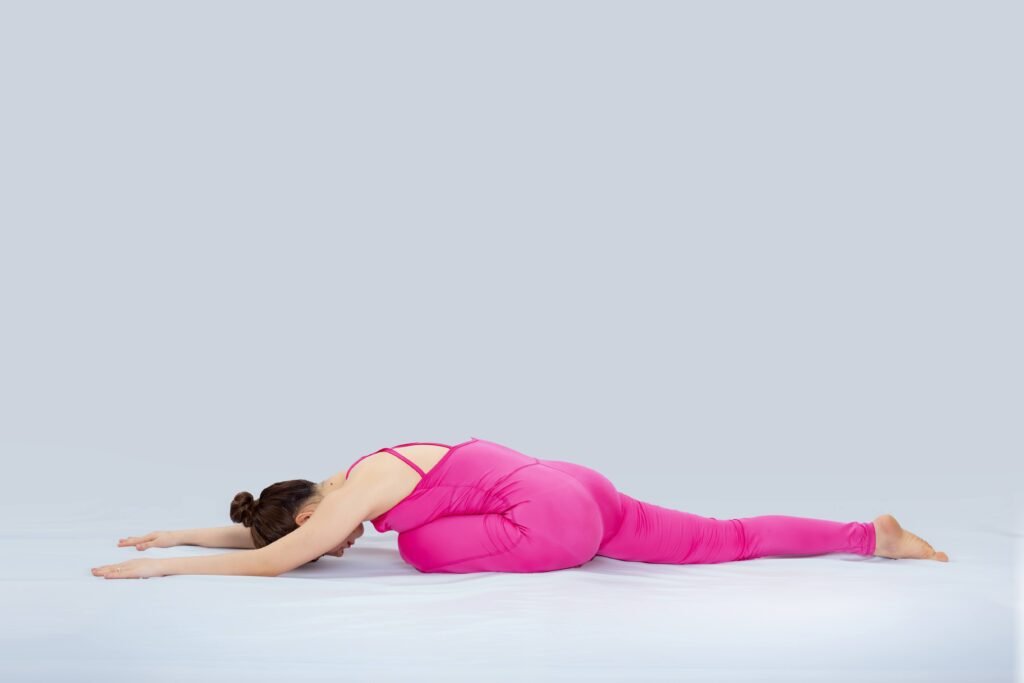
The pigeon stretch targets the glutes and piriformis. It is popular among yoga practitioners because it improves flexibility around the hips.
Figure Four Stretch
This gentle stretch works well for beginners. It helps reduce tension around the glutes and improves hip movement without excessive pressure.
Lizard Stretch
The lizard stretch opens the front of the hips and stretches the hip flexors. Athletes often use it before lower-body workouts.
Butterfly Stretch
The butterfly stretch focuses on the inner thighs and groin. It complements the 90/90 Hip Stretch by improving overall lower-body flexibility.
Which Alternative Is Best for Tight Hips?
If your hips feel extremely tight, begin with easier stretches like the butterfly or figure four stretch. As mobility improves, gradually progress toward the full 90/90 stretch.
| Alternative | Best For |
|---|---|
| Pigeon Stretch | Glutes and piriformis |
| Figure Four Stretch | Beginners |
| Lizard Stretch | Hip flexors |
| Butterfly Stretch | Inner thighs |
| 90/90 Hip Stretch | Overall hip mobility |
7. Who Should Do the 90/90 Hip Stretch?
The 90/90 Hip Stretch works well for almost anyone who wants better Hip Mobility and healthier movement. If your hips feel tight after work, exercise, or long periods of sitting, this stretch can improve flexibility over time. It also helps your body move more naturally during everyday activities.
People who regularly perform mobility training often notice smoother movement, less stiffness, and greater comfort during exercise. Whether you’re active or just beginning your fitness journey, adding this stretch to your weekly routine can support healthier joints and better overall movement.
Beginners Improving Hip Mobility
Beginners can safely practice this stretch by moving slowly and avoiding painful positions. Focus on comfort instead of trying to reach the deepest stretch immediately.
Athletes and Strength Trainers
Athletes often include the 90/90 Hip Stretch before or after workouts. Better hip rotation supports stronger squats, lunges, and explosive lower-body movements.
Runners, Cyclists, and Walkers
Running, cycling, and walking place repeated stress on the hips. Regular stretching helps reduce stiffness while improving movement efficiency.
Office Workers With Tight Hips
Many office workers develop tight hips because of prolonged sitting. This stretch gently opens the hips and improves comfort after long workdays.
Older Adults Looking to Stay Mobile
As people age, joint movement naturally decreases. Gentle hip stretching supports better balance, flexibility, and independence during daily activities.
| Person | Benefit |
|---|---|
| Beginners | Builds flexibility safely |
| Athletes | Improves performance |
| Office Workers | Reduces stiffness |
| Older Adults | Supports daily movement |
| Runners | Improves hip mobility |
8. Who Should Avoid the 90/90 Hip Stretch?
Although the 90/90 Hip Stretch is safe for many people, it isn’t the right choice for everyone. Certain medical conditions may require different mobility exercises. Always listen to your body instead of forcing the stretch into painful positions.
If you recently had surgery or experience serious joint problems, speak with a healthcare professional before starting any new stretching program. A Physical Therapist can recommend safer alternatives based on your condition.
People Recovering From Hip or Knee Surgery
People with a recent Hip Replacement or Knee Replacement should avoid this stretch until their doctor approves rehabilitation exercises.
Individuals With Hip Impingement
People diagnosed with Hip Impingement may experience discomfort during deep hip rotation. Modified stretches are often safer.
Those With Severe Knee Pain or Arthritis
Individuals with Arthritis or a Meniscus Tear should avoid positions that increase joint pain or pressure.
When to Consult a Physical Therapist
If pain continues during or after stretching, stop immediately. A qualified therapist can identify the cause and recommend a safer mobility plan.
| Condition | Recommendation |
|---|---|
| Hip Replacement | Get medical approval |
| Knee Replacement | Avoid until healed |
| Hip Impingement | Use modified stretches |
| Arthritis | Stretch gently |
| Meniscus Tear | Consult a specialist |
9. How Often Should You Do the 90/90 Hip Stretch?
Consistency matters much more than intensity. Practicing the 90/90 Hip Stretch several times each week gradually improves flexibility and joint movement. Even a few minutes of daily stretching can make noticeable improvements over time.
You don’t need long workout sessions to benefit. Small, regular mobility sessions help your hips stay flexible while reducing stiffness caused by sitting, exercise, or everyday life. The key is making stretching a regular habit.
Daily Hip Mobility Routine
Adding this stretch to your morning or evening routine helps maintain healthy hips and encourages long-term flexibility.
Before vs After Workouts
Use gentle stretching after workouts for recovery. Before exercise, include dynamic movements as part of your warm-up routine.
How Long Should You Hold the Stretch?
Most people benefit from holding each side for about 20 to 40 seconds. Repeat two or three times for steady progress.
Tips for Long-Term Mobility Progress
Stay patient and practice consistently. Better flexibility develops gradually through regular movement rather than aggressive stretching.
| Frequency | Recommendation |
|---|---|
| Beginners | 3–4 times weekly |
| Active People | Daily if comfortable |
| Hold Time | 20–40 seconds |
| Repetitions | 2–3 per side |
10. 90/90 Hip Stretch vs Other Hip Mobility Exercises
The 90/90 Hip Stretch stands out because it improves both External Rotation and Internal Rotation at the same time. Many traditional stretches only target one movement pattern. This balanced approach makes it useful for improving Hip Mobility, flexibility, and joint control.
Other mobility exercises still have value because they focus on different muscles and movement goals. Combining several stretches creates a complete routine that improves Range of Motion, reduces stiffness, and supports healthier hips over the long term.
| Exercise | Main Focus | Best For |
|---|---|---|
| 90/90 Hip Stretch | Internal and external hip rotation | Overall hip mobility |
| Pigeon Stretch | Glutes and piriformis | Deep glute stretch |
| Butterfly Stretch | Groin and inner thighs | Hip flexibility |
| Lizard Stretch | Hip flexors | Athletic mobility |
| Figure Four Stretch | Glutes | Beginners |
90/90 Hip Stretch vs Pigeon Stretch
The pigeon stretch mainly targets the glutes. The 90/90 Hip Stretch improves both hip rotation directions, making it more complete for total hip mobility.
90/90 Hip Stretch vs Butterfly Stretch
Butterfly stretches the inner thighs effectively. However, the 90/90 position provides greater hip rotation and joint mobility benefits.
90/90 Hip Stretch vs Figure Four Stretch
Figure Four is easier for beginners with very tight hips. As flexibility improves, the 90/90 stretch offers greater mobility gains.
Which Hip Stretch Should You Choose?
Choose exercises based on your goals. Beginners may start with easier stretches while athletes often benefit most from the 90/90 Hip Stretch because it improves overall movement quality.
Conclusion
The 90/90 Hip Stretch is one of the simplest ways to improve Hip Mobility, increase flexibility, and support healthier movement. Whether you spend long hours sitting, train regularly, or simply want to move more comfortably, this exercise fits almost every lifestyle. Small improvements made consistently often produce the biggest long-term results.
Remember that mobility develops gradually through patience and proper technique. Listen to your body, avoid painful movements, and stay consistent with your stretching routine. Combined with regular exercise, strength training, and healthy daily habits, the 90/90 Hip Stretch can help you move better, feel stronger, and enjoy pain-free movement for years to come.
Frequently Asked Questions
Are 90-90s Good for Hips?
Yes. The 90/90 Hip Stretch improves hip mobility, increases flexibility, and helps reduce stiffness by strengthening and stretching the muscles around your hips.
What Happens If I Do Hip Mobility Every Day?
Daily hip mobility exercises can improve your range of motion, reduce muscle tightness, support better posture, and make everyday movements feel smoother and more comfortable.
How Often Should You Do the 90-90 Stretch?
Most people can safely perform the 90/90 Hip Stretch 3–7 times per week. Daily practice is ideal if you do it gently and without pain.
How Long Does It Take to Strengthen a Weak Hip Flexor?
With consistent stretching and strengthening exercises, most people notice improved hip strength and mobility within 4–8 weeks, depending on their fitness level.
What Is the Number One Exercise for Hips?
The 90/90 Hip Stretch is one of the best hip exercises because it improves both internal and external hip rotation while increasing flexibility and overall joint mobility.