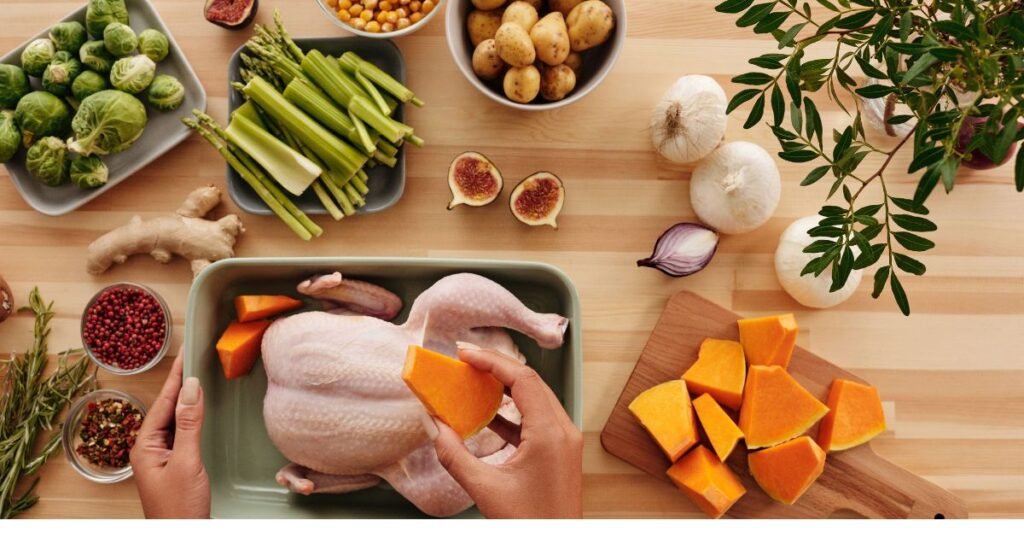
High Protein Foods are one of the best choices for building a healthier lifestyle because they help your body stay strong, energized, and satisfied throughout the day. Whether your goal is muscle growth, weight management, or simply eating better, choosing quality protein sources makes every meal more nutritious. Foods like eggs, chicken, Greek yogurt, beans, fish, and tofu provide essential nutrients that support recovery and daily wellness. Pairing these options with vegetables, fruits, and whole grains creates a balanced plate that fuels your body for longer.
In this guide, you’ll discover the best protein-rich foods, practical meal ideas, and simple ways to increase your protein intake while enjoying delicious, everyday meals.
1. What Are High Protein Foods?
High Protein Foods are foods that provide a large amount of protein compared with their calorie content. They supply your body with Essential Amino Acids, which help repair tissues, build muscles, and maintain healthy organs. Since your body cannot produce all amino acids on its own, you need to get them through your daily diet.
Some foods naturally contain more protein than others. Animal Protein sources such as eggs, poultry, fish, and dairy provide complete proteins because they contain every essential amino acid. Plant-Based Protein sources like beans, lentils, tofu, and quinoa also contribute valuable nutrition and often include extra fiber, vitamins, and minerals.
Animal vs. Plant-Based High Protein Foods
Both animal and plant protein can support excellent health. Animal foods usually deliver more protein per serving, while plant foods often contain additional Dietary Fiber and antioxidants. Many nutrition experts recommend eating a variety of both to create a balanced eating pattern that supports overall wellness.
| Protein Type | Examples | Main Benefits |
|---|---|---|
| Animal Protein | Eggs, Chicken Breast, Fish, Greek Yogurt | Complete protein, high amino acid quality |
| Plant-Based Protein | Tofu, Lentils, Chickpeas, Quinoa | Fiber, antioxidants, vitamins, minerals |
2. Why Is Protein Important for Your Health?
Your body depends on Protein every single day. It supports Muscle Repair, helps build Lean Muscle, produces hormones, strengthens the immune system, and keeps your skin, hair, and nails healthy. Protein also plays an important role in maintaining bones and healthy body tissues throughout life.
Beyond muscles, protein improves Metabolic Health and helps regulate appetite. Meals rich in protein increase Satiety, making you feel full for longer. This natural effect may reduce unnecessary snacking and support Weight Loss when combined with regular physical activity and a balanced diet.
Key Health Benefits of Eating Enough Protein
Protein offers benefits far beyond bodybuilding. It helps your body recover after exercise, supports Immune Function, promotes healthy aging, and contributes to better Cardiovascular Health. Eating enough protein each day also helps preserve muscle as you grow older, making everyday activities easier and safer.
| Benefit | How Protein Helps |
|---|---|
| Muscle Health | Builds and repairs muscles |
| Weight Control | Improves fullness and appetite control |
| Bone Support | Helps maintain bone tissue |
| Heart Health | Supports healthy metabolism |
| Recovery | Repairs exercise-related tissue damage |
| Healthy Aging | Preserves muscle mass over time |
“Protein isn’t just for athletes. It is an essential nutrient that supports nearly every cell in your body.”
3. How Much Protein Do You Need Each Day?
Your ideal Daily Protein Intake depends on several factors. Age, body weight, physical activity, and personal goals all influence how much protein your body requires. Someone trying to build muscle usually needs more protein than someone who lives a mostly sedentary lifestyle.
Most healthy adults can meet their needs by including protein in every meal. Athletes, older adults, and people recovering from illness often benefit from slightly higher amounts. Instead of eating all your protein at dinner, spreading it across breakfast, lunch, and dinner helps your body use it more efficiently.
Daily Protein Needs by Age, Activity Level, and Fitness Goals
Experts generally recommend consuming protein consistently throughout the day. Combining protein with Whole Foods, vegetables, and healthy carbohydrates creates balanced meals that support energy, recovery, and long-term wellness.
| Person | Recommended Protein |
|---|---|
| Average Adult | 0.8 g per kg body weight |
| Active Adult | 1.2–1.6 g per kg |
| Strength Athlete | 1.6–2.2 g per kg |
| Older Adults | 1.0–1.2 g per kg |
For example, if you weigh 70 kg (154 lbs), your daily protein target may range from about 56 g to over 110 g depending on your activity level and health goals. Distributing this amount evenly across your meals can improve Muscle Recovery, support energy, and help you stay satisfied throughout the day.
4. Best High Protein Foods You Should Eat
Choosing a variety of High Protein Foods helps your body receive more than just protein. Different foods provide unique nutrients like Vitamin B12, calcium, healthy fats, and antioxidants. Eating both animal and plant protein sources creates a balanced diet that supports energy, muscle health, and long-term wellness.
The best protein choices are those that fit your lifestyle and nutrition goals. Some foods are excellent for Muscle Growth, while others are perfect for weight loss or heart health. Combining several protein sources during the week keeps your meals interesting and nutritionally complete.
Top Animal and Plant Protein Sources for Every Diet
Many excellent protein foods are easy to find and affordable. Options like Eggs, chicken, Greek yogurt, lentils, tofu, and quinoa can easily become part of your everyday meals. Mixing different protein sources also improves nutrient variety while supporting a healthy eating pattern.
| Food | Protein Per 100g | Key Benefits |
|---|---|---|
| Eggs | 13g | Complete protein, choline |
| Chicken Breast | 31g | Lean protein, low fat |
| Turkey Breast | 29g | High protein, low calories |
| Lean Beef | 26g | Iron, zinc, Vitamin B12 |
| Fish | 22–25g | Omega-3 fatty acids |
| Greek Yogurt | 10g | Protein, probiotics |
| Cottage Cheese | 11g | Calcium, slow-digesting protein |
| Tofu | 17g | Plant protein, calcium |
| Tempeh | 20g | Fermented soy, fiber |
| Lentils | 9g | Protein, fiber, folate |
| Chickpeas | 9g | Fiber, minerals |
| Black Beans | 9g | Plant protein, antioxidants |
| Quinoa | 8g | Complete plant protein |
| Almonds | 21g | Healthy fats, Vitamin E |
| Pumpkin Seeds | 30g | Magnesium, zinc |
| Milk | 3.5g | Calcium, Vitamin D |
| Peanut Butter | 25g | Healthy fats, protein |
| Seitan | 25g | High plant protein |
5. High Protein Foods Ranked by Protein Content
Not every protein food contains the same amount of protein. Some foods deliver much more Protein Content per serving than others. If your goal is building muscle or increasing your Protein Intake, choosing foods with higher protein density can help you reach your daily target more easily.
However, protein quality matters just as much as quantity. Foods rich in vitamins, minerals, and healthy fats provide extra health benefits beyond protein alone. A balanced approach works better than relying on only one food every day.
Protein Per Serving Comparison Table
The table below compares some of the richest protein foods. These values are averages and may vary slightly depending on preparation and brand.
| Food | Serving Size | Protein |
|---|---|---|
| Chicken Breast | 100g | 31g |
| Pumpkin Seeds | 100g | 30g |
| Turkey Breast | 100g | 29g |
| Lean Beef | 100g | 26g |
| Peanut Butter | 100g | 25g |
| Seitan | 100g | 25g |
| Fish | 100g | 22–25g |
| Tempeh | 100g | 20g |
| Tofu | 100g | 17g |
| Eggs | 2 large | 12–13g |
6. Best High Protein Snacks That Keep You Full
Healthy snacks can help you meet your Daily Protein Intake without eating large meals. Protein-rich snacks slow digestion and increase Fullness, making it easier to control hunger between meals. They also provide steady energy throughout busy days.
Many high-protein snacks require very little preparation. Keeping nutritious options nearby helps you avoid processed foods that are high in sugar or unhealthy fats. Smart snacking supports both weight management and overall health.
Easy High Protein Snack Ideas for Busy Days
Simple protein snacks can fit into work, school, or travel. Pairing protein with fruit or whole grains creates balanced snacks that support Healthy Lifestyle habits and keep your energy stable for hours.
| Snack | Protein |
|---|---|
| Greek Yogurt | 15–20g |
| Hard-Boiled Eggs | 6g each |
| Almonds | 6g per ounce |
| Peanut Butter with apple | 8g |
| Cottage Cheese | 14g |
| Roasted Chickpeas | 6–8g |
| Protein Shake | 20–30g |
| Smoothie with whey protein | 25g |
| Pumpkin Seeds | 8–9g |
| Homemade Energy Balls | 6–10g |
“A protein-rich snack between meals can help reduce hunger and support steady energy throughout the day.”
7. Best High Protein Foods for Weight Loss
If your goal is losing weight, choosing High Protein Foods can make the process easier. Protein takes longer to digest than carbohydrates, helping you stay full for longer. This natural feeling of Satiety may reduce unnecessary snacking and support a healthy calorie intake throughout the day.
Protein also helps preserve Lean Muscle while your body burns fat. Maintaining muscle keeps your metabolism active, which is important during weight loss. Combining protein with vegetables and whole grains creates meals that satisfy hunger without adding excessive calories.
How Protein Helps Control Hunger and Burn Fat
Your body uses more energy to digest protein than many other nutrients. This effect slightly increases calorie burning while supporting Weight Loss. Protein also helps stabilize blood sugar levels, reducing sudden cravings and keeping your energy steady throughout the day.
| Best Protein Food | Why It’s Great for Weight Loss |
|---|---|
| Greek Yogurt | High protein and low sugar |
| Chicken Breast | Lean and filling |
| Eggs | Rich in nutrients and protein |
| Cottage Cheese | Low calorie and satisfying |
| Tofu | Plant-based and low fat |
| Lentils | Protein plus fiber |
| Fish | Lean protein with healthy fats |
| Quinoa | Protein and complex carbohydrates |
8. Best High Protein Foods for Muscle Building
Building muscle requires regular exercise and enough Protein Intake every day. Protein provides the Essential Amino Acids your muscles need after workouts. Without enough protein, your body cannot repair damaged muscle fibers efficiently.
Foods rich in high-quality protein also support Muscle Growth and recovery after resistance training. Eating protein at each meal helps your muscles receive a steady supply of nutrients throughout the day rather than all at once.
Best Protein Choices Before and After Workouts
A balanced pre-workout meal provides lasting energy, while a post-workout meal supports Recovery and muscle repair. Many athletes combine protein with healthy carbohydrates to improve exercise performance and recovery.
| Meal Timing | Best Protein Choices |
|---|---|
| Before Workout | Greek Yogurt, oatmeal, eggs |
| After Workout | Chicken Breast, Protein Powder, fish |
| Quick Recovery | Protein Shake, milk, cottage cheese |
| Plant-Based Option | Tempeh, tofu, quinoa |
“Consistent protein intake throughout the day supports stronger muscles better than eating one large protein meal.”
9. Budget-Friendly High Protein Foods
Eating enough protein doesn’t have to be expensive. Many affordable foods provide excellent nutrition while supporting your fitness goals. Choosing economical Healthy Protein Sources allows you to build healthy meals without spending a large amount of money each week.
Buying protein foods in bulk and planning meals ahead can reduce grocery costs even further. Smart Meal Prep also prevents food waste and makes healthy eating much easier during busy weekdays.
Affordable Protein Sources That Fit Any Budget
Budget-friendly protein foods often offer just as much nutrition as premium products. Combining inexpensive animal and plant proteins helps create balanced meals that are affordable and satisfying.
| Budget Protein Food | Benefits |
|---|---|
| Eggs | Affordable complete protein |
| Black Beans | High protein and fiber |
| Chickpeas | Budget-friendly plant protein |
| Milk | Protein plus calcium |
| Peanut Butter | Healthy fats and protein |
| Lentils | Low cost and nutrient-rich |
| Canned Tuna | Convenient lean protein |
| Soybeans | Excellent plant protein |
Saving money becomes easier when you prepare meals at home. Simple recipes using eggs, beans, yogurt, and chicken provide outstanding nutrition while keeping grocery expenses under control.
10. Tips to Increase Your Protein Intake Every Day
Adding more Protein Intake to your meals doesn’t have to feel difficult. Small changes can make a big difference over time. Start your morning with eggs or Greek yogurt, include lean protein at lunch, and finish your day with fish, chicken, or beans for a balanced eating pattern.
Planning meals ahead also makes healthy choices easier. Preparing snacks like cottage cheese, roasted chickpeas, or almonds keeps nutritious options within reach. Consistent Healthy Eating habits help you reach your protein goals without relying only on supplements.
Simple Ways to Eat More Protein Without Overeating
Focus on including a quality protein source in every meal instead of eating very large portions at once. Pair protein with vegetables, whole grains, and healthy fats to improve nutrition and keep meals satisfying throughout the day.
| Simple Tip | Benefit |
|---|---|
| Eat protein at every meal | Supports muscle maintenance |
| Prepare meals in advance | Makes healthy choices easier |
| Choose protein-rich snacks | Reduces hunger between meals |
| Add beans or tofu to meals | Increases plant protein |
| Drink a protein smoothie after workouts | Speeds recovery |
| Read nutrition labels | Compare protein per serving |
Conclusion
Adding more High Protein Foods to your daily meals is one of the smartest ways to improve your health. Protein supports Muscle Growth, helps maintain a healthy body weight, boosts recovery, and keeps you feeling full longer. Choosing nutrient-rich foods instead of highly processed meals creates lasting health benefits.
The best approach is balance rather than perfection. Include lean meats, dairy, seafood, legumes, whole grains, nuts, and seeds throughout your week. Whether your goal is better fitness, weight loss, or healthy aging, consistent Protein Intake combined with an active lifestyle will help you build stronger habits and enjoy better long-term health.
FAQ’S
What Are 5 High Protein Foods?
The top five high protein foods include chicken breast, eggs, Greek yogurt, salmon, and lentils because they provide quality protein and essential nutrients.
What Are 7 Foods Rich in Protein?
Seven excellent protein-rich foods are eggs, chicken breast, Greek yogurt, cottage cheese, tofu, fish, and black beans for a healthy balanced diet.
What Food Is Almost 100% Protein?
Protein powder, especially whey protein isolate, is one of the closest foods to almost pure protein with very little fat or carbohydrates.# What Are the No. 1 Protein Foods?
Eggs are often considered one of the best protein foods because they provide complete protein along with vitamins, minerals, and healthy nutrients.
What Is the Healthiest Protein to Eat?
The healthiest protein choices include fish, skinless chicken breast, Greek yogurt, beans, lentils, and tofu because they support overall health with fewer unhealthy fats.