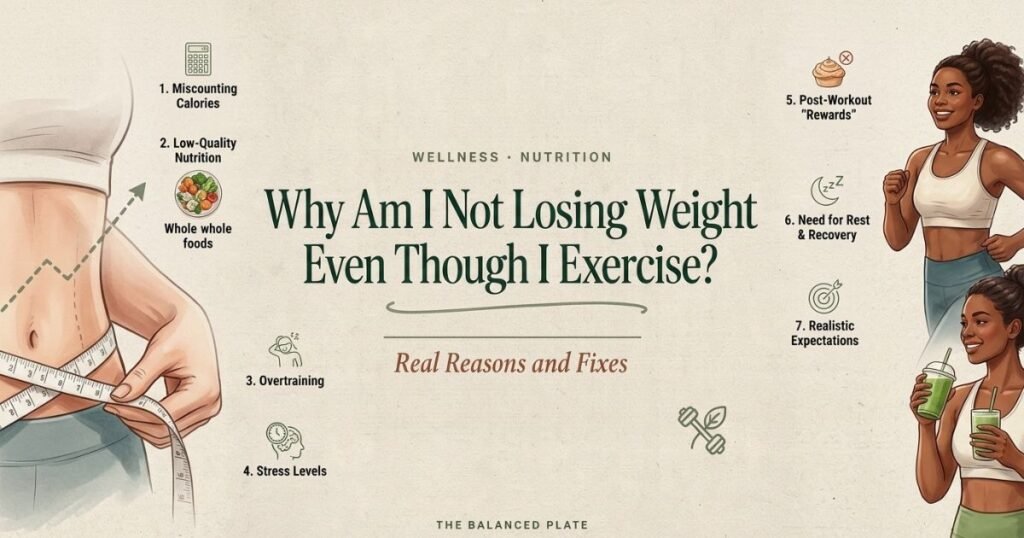
You show up at the gym every week, push through tough sets, and still watch the scale refuse to move. It’s exhausting, and it’s easy to start doubting your own effort. But why am I not losing weight even with a solid exercise routine isn’t really a mystery once you understand the science behind it. Factors like insulin resistance, poor sleep habits, and hidden calories often work quietly in the background, undoing hours of hard training. A stubborn weight loss plateau doesn’t mean you’re failing. It usually means your body has adapted, and something small needs adjusting.
This guide breaks down the real reasons behind stalled progress and shows you exactly how to fix them.
Why Can’t I Lose Weight Even With Consistent Exercise?
Exercise burns calories, but it doesn’t control everything. Your body runs on a complex system of metabolism, hormones, and recovery. When one piece falls out of balance, progress stalls even if your workout routine looks perfect on paper.
Many people who can’t lose weight are actually doing more right than wrong. The problem usually hides in the details. Sleep debt, stress, snack choices, or a stuck workout plateau can quietly cancel out weeks of hard effort.
If you’ve searched why am I not losing weight even though I exercise more than once this month, you already know how frustrating that gap between effort and results feels.
Top Reasons You’re Working Out But Not Losing Weight
Before jumping to conclusions, it helps to look at the full picture. Several everyday habits sabotage even the most disciplined exercise routine, and they often explain why am I not losing weight despite showing up consistently. Here’s a breakdown of the usual suspects.
| Reason | Why It Matters |
|---|---|
| Hidden calorie intake | Snacks and drinks add up fast |
| Insulin resistance | Blocks fat from being used as fuel |
| Chronic stress | Raises cortisol, a stress hormone |
| Poor sleep | Disrupts hunger hormones |
| Skipped recovery | Slows muscle mass repair |
| Dehydration | Reduces workout performance |
| Sweetened drinks | Spikes appetite and cravings |
| Repetitive workouts | Causes a workout plateau |
You’re Eating More Than You Realize
Portion sizes creep up without anyone noticing. A handful of nuts here, a sauce there, and suddenly your daily intake is much higher than planned. Portion control matters just as much as workout intensity. Reading nutrition information on packaged food helps you catch these sneaky additions before they undo your progress.
You Have Insulin Resistance
Insulin resistance happens when your cells stop responding properly to insulin. This leads to high blood sugar, because sugar stays in the bloodstream instead of being used for energy. Over time, elevated blood sugar levels get stored as fat rather than converted into glycogen for quick energy. This single hormonal shift can stall weight loss no matter how hard you train. Regular movement and strength work help improve insulin sensitivity over weeks, not days.
You’re Chronically Stressed (Cortisol Effect)
Stress isn’t just mental. It’s physical too. Ongoing pressure triggers your body to release cortisol, a hormone that shifts your system into fat-storage mode. High cortisol also increases cravings for salty, sugary, and fatty foods. This makes sticking to healthy dietary habits much harder. Managing stress supports both your mental health and your waistline.
You’re Not Sleeping Enough
Quality sleep plays a bigger role in weight loss than most people expect. Poor rest throws off hunger hormones and satiety hormones, making you eat more the next day. Without a steady sleep schedule, your body struggles to recover properly overnight. Experts generally recommend 7-8 hours of sleep to support fat loss and muscle repair. Better sleep habits often lead to better results, even without changing your workouts.
You’re Skipping Recovery Days
Muscles grow and repair during rest, not during the workout itself. Skipping recovery days limits muscle mass growth and can raise cortisol levels from overtraining. This quietly works against your weight loss goals. Building in rest days actually speeds up long-term progress rather than slowing it down.
You’re Not Staying Hydrated
Even mild dehydration reduces workout performance and slows digestion. Water supports nearly every metabolic process in the body, including how efficiently you burn fat. Choosing plain water or infused water over sugary alternatives keeps you hydrated without adding empty calories.
You’re Drinking Hidden-Calorie or Artificially Sweetened Beverages
Sugar-free drinks and zero-calorie drinks sound harmless, but many contain artificial sweeteners that spike ghrelin, the hunger hormone. Even sparkling water can trigger similar appetite responses due to carbonation. Swapping these for infused water with fruit or herbs satisfies cravings without the hidden hormonal side effects.
Your Workouts Have Become Too Easy for Your Body
If you’ve done the same routine for months, your body has adapted. This is one of the most common causes of a workout plateau. Mixing in high-intensity interval training (HIIT), adding weight, or trying exercise snacking throughout the day can reignite progress and increase metabolism naturally.
What Is a Weight-Loss Plateau (And Why It Happens)?
A weight loss plateau happens when your body adjusts to a lower weight and burns fewer calories at rest. This is a normal, expected part of the process, not a sign of failure. Your metabolism recalibrates as your body composition changes over time.
This slowdown often surprises people who feel like they’re doing everything right. Understanding why it happens makes it much easier to push past it without losing motivation or giving up on your weight loss goals altogether.
What Causes a Weight-Loss Plateau?
Several overlapping factors contribute to a stalled weight loss plateau. Metabolic slowdown is one of the biggest. As you lose weight, your body needs fewer calories to function, so your previous calorie deficit shrinks without you changing anything.
Muscle gain can also mask fat loss on the scale. Since muscle mass is denser than fat, your weight might stay flat even while your body composition improves. Hormonal shifts in cortisol, ghrelin, and satiety hormones add another layer of difficulty. Water retention from sodium, new exercise routines, or hormonal cycles can also hide real progress for a week or two at a time.
| Cause | Effect on Weight |
|---|---|
| Metabolic slowdown | Fewer calories burned at rest |
| Muscle gain | Scale stays flat despite fat loss |
| Hormonal shifts | Increased hunger and cravings |
| Water retention | Temporary scale increase |
How to Break Through a Weight-Loss Plateau
Breaking a stubborn weight loss plateau starts with reassessing your calorie needs. As your body changes, your old calorie target may no longer create a deficit. Small adjustments to food intake often restart progress within a few weeks.
Adding strength training, prioritizing quality sleep, and reducing stress all help reset stalled hormones. A registered dietitian once told a client during a plateau, “Your body isn’t broken. It’s adjusting.” That mindset shift alone can keep people consistent long enough to see results return.
Reassess Your Caloric Needs
Recalculate your calorie needs every ten to fifteen pounds lost. Your body burns fewer calories as it gets smaller, so your plan should evolve with it.
Add Strength Training or Increase Intensity
Strength training builds muscle mass, which directly supports a higher resting metabolism. Increasing workout intensity also challenges your body in new ways.
Prioritize Sleep and Stress Management
Better sleep habits and lower stress levels reduce cortisol and support hormonal balance, both of which are essential for breaking a plateau.
Try a Diet Break or Refeed Day
Short breaks from calorie restriction can reset hunger hormones and reduce the mental fatigue that often comes with long-term dieting.
Track Progress Beyond the Scale
Measurements, photos, and strength gains often reveal progress the scale misses entirely, especially during a stubborn plateau phase.
How Workout Variety Impacts Weight Loss Results
Different types of exercise affect the body in different ways, and relying on just one can limit results over time.
| Workout Type | Main Benefit |
|---|---|
| Cardio | Builds endurance, burns calories during activity |
| HIIT | Boosts metabolism after the workout ends |
| Strength Training | Builds muscle, raises resting metabolism |
| Mobility Work | Supports recovery and injury prevention |
Cardio
Cardio improves heart health and burns calories during the session itself. It works best when paired with other training styles rather than used alone.
HIIT (High-Intensity Interval Training)
High-intensity interval training (HIIT) keeps your metabolism elevated for hours after the workout ends. Short bursts of effort followed by rest make this style highly efficient for busy schedules.
Strength Training
Building muscle mass through strength training helps increase metabolism long term, since muscle burns more calories at rest than fat tissue does.
Mobility and Active Recovery
Gentle movement on rest days supports circulation and joint health. It keeps your active lifestyle consistent without adding extra strain to tired muscles.
Health Conditions That Affect Weight Loss
Sometimes the reason behind stalled progress isn’t lifestyle at all. Certain health conditions make weight management genuinely harder, even with a solid exercise routine and clean eating habits.
Thyroid issues, hormonal disorders, and certain medications can all interfere with normal fat-burning processes. If lifestyle changes haven’t worked after several months, it may be time to look deeper.
| Condition | Impact on Weight |
|---|---|
| Hypothyroidism | Slows metabolism significantly |
| PCOS | Disrupts hormone balance |
| Insulin resistance | Promotes fat storage |
| Menopause | Shifts fat distribution |
| Certain medications | Can cause weight retention |
Hypothyroidism
An underactive thyroid slows down nearly every metabolic process in the body, making fat loss noticeably harder even with consistent effort.
PCOS (Polycystic Ovary Syndrome)
This condition disrupts normal hormone levels, often leading to increased insulin resistance and stubborn weight gain around the midsection.
Insulin Resistance and Prediabetes
Left unmanaged, insulin resistance can progress toward prediabetes, making blood sugar levels harder to control and fat loss even more difficult.
Menopause-Related Hormonal Shifts
Hormonal changes during menopause often shift fat storage toward the abdomen, regardless of diet or exercise routine consistency.
Medication Side Effects
Some medications, including certain antidepressants and steroids, list weight gain as a known side effect worth discussing with your doctor.
Doing Everything Right But Still Not Losing Weight?
It’s frustrating to feel stuck despite genuine effort. Before assuming something is wrong with your body, it helps to review sleep, stress, and hidden calories one more time with fresh eyes.
If you’re still stuck after checking every box, asking why am I not losing weight despite doing everything right is a valid question worth taking to a professional. If nothing changes after ruling those out, talking to a primary care physician is the smart next step. They can refer you to specialists or a dietitian for personalized treatment options based on bloodwork and history, not guesswork.
Frequently Asked Questions
How to Trigger Your Body to Lose Weight?
Create a steady calorie deficit, add strength training, and get enough quality sleep to balance hunger hormones.
What Is Blocking My Weight Loss?
Hidden calories, poor sleep, chronic stress, and insulin resistance are the most common blockers.
At What Age Is It Hardest to Lose Weight?
Weight loss usually gets harder after age 40 to 50 due to a slowing metabolism and hormonal shifts.
Why Do I Feel Slimmer But Weigh the Same?
You’re likely losing fat while gaining muscle mass, a process called body recomposition.
What Are Signs Your Body Is Burning Fat?
Looser clothes, a smaller waist, steady energy, and consistent strength gains all signal real fat loss.
Conclusion
Stalled progress rarely means your effort is wasted. If you’ve been wondering why am I not losing weight despite consistent effort, know that a stubborn weight loss plateau, insulin resistance, or simple workout plateau fatigue is almost always a fixable cause underneath. Small, consistent adjustments to sleep, stress, hydration, and healthy eating tend to move the needle more than drastic changes ever do.
This article is for general informational purposes only and does not replace personalized medical advice. Always consult your doctor or a qualified dietitian before making major changes to diet or exercise.