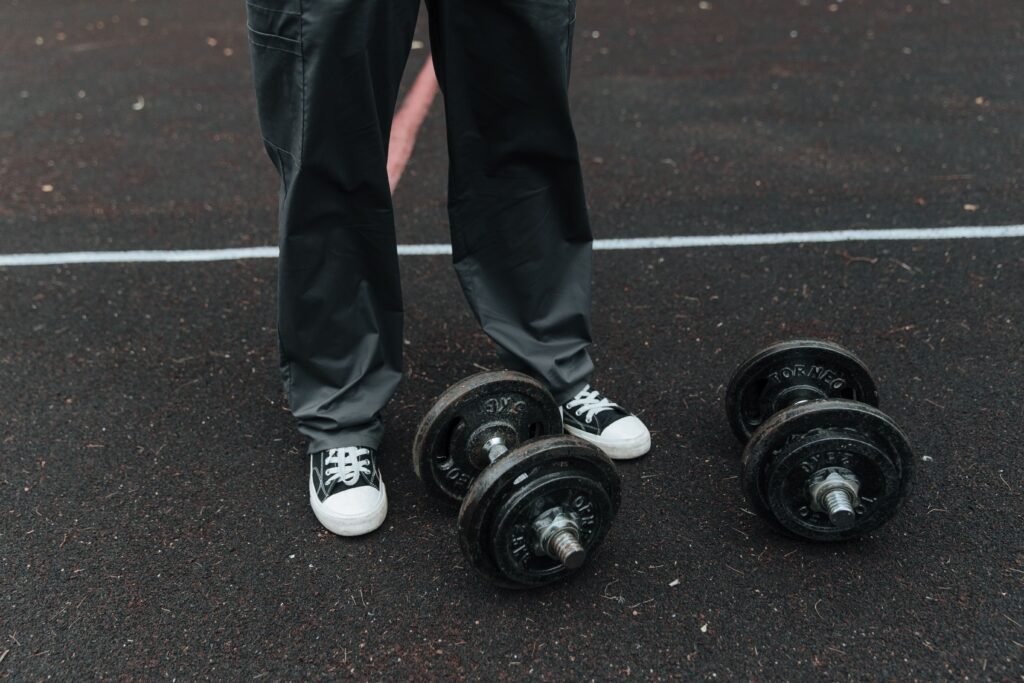
Staying active may matter more for longevity than simply watching the number on the scale. Research suggests that a higher fitness level is strongly linked with better health outcomes, including a lower risk of early death and cardiovascular problems. Importantly, these benefits can appear even when body weight changes very little. Measures such as aerobic fitness, exercise capacity and VO2 max can reveal how effectively your heart, lungs and muscles work together.
This guide explains what fitness tests can tell you about long-term health, why aerobic fitness matters and how simple daily movement can help. Most importantly, you’ll learn why building fitness may be a smarter goal than chasing weight alone.
Does Fitness Matter More Than Weight for Longevity?
The question of fitness vs weight has become increasingly important because weight is often treated as a simple measure of health. A person steps on a scale, sees a number and may immediately assume that number tells the whole story. It doesn’t. Weight gives you one piece of information. Physical fitness tells you more about how well your body performs.
Research discussed in the British Journal of Sports Medicine found that people with higher fitness had a lower mortality risk across different BMI categories. Fit people who were overweight or obese had a risk of death that was similar to fit people with normal weight in the analysis. Meanwhile, people with low fitness had substantially higher risk regardless of their weight category.
That finding helps explain why fitness level and longevity are closely connected. Your heart must pump blood. Your lungs must exchange oxygen. Your blood vessels must transport that oxygen. Your muscles must use it efficiently. These processes work together whenever you move.
Weight alone cannot measure those functions.
Why the Scale Cannot Tell the Whole Story
The body mass index or BMI is calculated from weight and height. It is widely used because it is simple and inexpensive. However, BMI does not directly measure body fat, muscle mass or aerobic capacity.
For example, someone who lifts weights regularly may have substantial muscle mass. That person could have a higher BMI because muscle contributes to body weight. Yet they may have excellent cardiovascular fitness and physical function.
The opposite can also happen. A person can have a normal weight while being physically inactive and having poor aerobic capacity. Their scale may look reassuring even though their fitness level is low.
This is why the fitness story is more nuanced than simply asking whether someone is thin or heavy.
| Measure | What it mainly tells you | What it cannot tell you |
|---|---|---|
| BMI | Relationship between weight and height | Fitness, muscle quality or fat distribution |
| Body weight | Total body mass | Cardiovascular capacity |
| Body composition | Relative amounts of fat and lean tissue | Full exercise capacity |
| Aerobic fitness | How efficiently the body performs during endurance activity | Every aspect of health |
| Muscle strength | Ability to produce force | Aerobic endurance alone |
The research does not prove that being fit completely eliminates health risks associated with excess body fat. Instead, it shows that fitness matters more than weight in some important measures of mortality risk.
That distinction matters.
A healthy approach should not turn this finding into another extreme message. You don’t need to ignore your weight. You also don’t need to make the scale your only health goal.
Instead, think about fitness and health together.
What Does This Mean for You?
Suppose two people weigh the same amount. One regularly walks, cycles, swims or performs other forms of exercise. The other spends most of the day sitting and becomes breathless after a short walk.
Their scale numbers may look identical.
Their physical capacity does not.
Now imagine two people with different body weights. One person has a higher BMI but exercises regularly and has good aerobic capacity. The other has a normal BMI but rarely moves.
The first person may have a more favorable fitness-related risk profile. That does not make weight irrelevant. It simply shows why health cannot be reduced to one number.
For longevity, the better question may be, “How well does my body function?” rather than only, “How much do I weigh?”
How Fitness Level Is Measured and Why It Matters
Your fitness level describes how well your body handles physical demands. It includes several areas. Aerobic capacity is one of the most important. Strength, endurance, balance and mobility also contribute to overall physical function.
One widely used measure of cardiorespiratory fitness is VO2 max. This measurement estimates the maximum amount of oxygen your body can use during intense exercise. In simple terms, it gives researchers an idea of how effectively your heart, lungs, blood vessels and muscles work together.
The process involves more than simply breathing harder.
During exercise, your muscles need additional energy. To produce that energy efficiently, they require oxygen. Your lungs take oxygen into the body. Your heart pumps oxygen-rich blood. Your blood vessels transport it. Finally, your muscles extract and use that oxygen.
VO2 max reflects this entire system.
Understanding VO2 Max
A higher VO2 max generally indicates better aerobic capacity. A lower value suggests that your body has less capacity for demanding endurance activity.
Researchers may use exercise testing to measure VO2 max directly. A person typically exercises on a treadmill or stationary bicycle while professionals monitor breathing and heart responses.
Some fitness trackers also estimate VO2 max using information such as heart rate and exercise pace. These estimates can be useful for tracking changes over time. However, they are not identical to laboratory testing.
| Fitness measure | What it can indicate |
|---|---|
| VO2 max | Aerobic capacity and oxygen utilization |
| Walking pace | Functional endurance |
| Resting heart rate | General cardiovascular response |
| Timed chair stands | Lower-body functional strength |
| Exercise tolerance | Ability to sustain physical activity |
The important point is that no single test describes your complete health.
A person might have good aerobic fitness but poor flexibility. Another might have excellent strength but limited endurance. Someone else may have good fitness but struggle with balance.
That’s why overall fitness includes multiple abilities.
Why Fitness Is More Than Exercise Performance
You don’t have to become an athlete to benefit from better fitness. Your body uses physical capacity during ordinary activities.
Walking through a grocery store requires endurance. Carrying bags requires strength. Climbing stairs requires cardiovascular and muscular capacity. Getting up from a chair requires lower-body strength and coordination.
As fitness improves, these tasks can become easier.
This is one reason fitness can be valuable for long-term health. It supports functional ability. Functional ability becomes especially important as people age because maintaining independence often depends on being able to move safely and efficiently.
A fitness-focused approach also changes how you think about progress.
Maybe your weight stays the same for several months. But you can now walk farther without stopping. Your breathing recovers faster after climbing stairs. You can carry groceries more easily.
Those changes matter.
They show that your body is adapting.
Why Aerobic Fitness Is an Important Longevity Factor
Among the different components of physical fitness, aerobic fitness has received considerable attention in longevity research. It describes how effectively your body performs sustained activity that relies heavily on the cardiovascular and respiratory systems.
Think about walking quickly uphill.
Your heart beats faster. Your breathing becomes deeper. Your muscles demand more oxygen. Your cardiovascular system responds by increasing blood flow.
If your aerobic fitness is good, your body can meet those demands more efficiently.
That ability is closely related to exercise capacity.
How the Heart, Lungs and Muscles Work Together
Aerobic exercise is not controlled by one organ. It requires coordination between several systems.
Your lungs bring oxygen into the bloodstream. Your heart moves that blood throughout the body. Your blood vessels deliver oxygen to working muscles. Your skeletal muscles then use that oxygen to help produce energy.
This process also supports other aspects of cardiovascular health.
Regular physical activity can help improve circulation and support heart function. It can also contribute to better metabolic health and physical performance.
The relationship with longevity is therefore biologically understandable. A body that can efficiently handle physical demands has greater functional reserve.
However, researchers still need to distinguish association from causation.
A study showing that fitter people live longer does not automatically prove that fitness alone caused the difference. Fitter people may also have healthier diets, better sleep, lower smoking rates or other favorable habits.
Aerobic Fitness and Heart Health
Good cardiorespiratory fitness is associated with better health outcomes in many populations. Higher fitness has been linked with lower heart disease risk and lower mortality risk.
The large analysis discussed earlier found that people with low fitness faced a much higher risk of death than fitter participants. This relationship appeared across weight categories.
That is an important finding.
It suggests that improving aerobic capacity can be worthwhile even when substantial weight loss isn’t happening.
For someone beginning an exercise routine, this can be motivating. You don’t have to wait until your body reaches a certain weight before exercise becomes valuable.
Start where you are.
Walk today. Build endurance gradually. Add strength training when appropriate. Increase your activity as your body adapts.
Over time, those small changes can create a meaningful improvement in your fitness level.
And that is the central message of fitness for longevity: don’t judge your health only by how much you weigh. Pay attention to what your body can do.
What Fitness Tests Can Tell You About Longevity
Fitness tests can give you a useful snapshot of how your body handles physical stress. They don’t predict your exact lifespan. Instead, they help measure abilities linked with fitness and longevity, such as endurance, strength and movement capacity. Among these measures, VO2 max receives particular attention because it reflects how effectively your body takes in and uses oxygen during exercise. A laboratory test can measure it directly while a fitness tracker may provide an estimate. Neither result should be viewed as a diagnosis. Instead, think of fitness testing as a dashboard. One reading doesn’t tell the whole story, but several readings together can reveal useful trends.
Simple fitness tests can also provide practical information without requiring expensive equipment. For example, a timed walk can show whether your walking speed or endurance improves over several weeks. A chair-stand test can offer insight into lower-body function. Your resting heart rate and recovery after exercise can provide additional context when tracked consistently. These measures become more useful when you compare your own progress rather than competing with someone else’s numbers. A beginner might notice that a 20-minute walk once left them exhausted. Months later, the same walk may feel comfortable. That improvement represents meaningful progress even if their scale weight barely changed.
Which Fitness Measures Matter Most?
| Fitness measure | What it helps assess | Why it matters |
|---|---|---|
| VO2 max | Aerobic capacity | Reflects oxygen delivery and use |
| Walking performance | Functional endurance | Shows how well you sustain movement |
| Chair-stand performance | Lower-body strength | Relates to everyday mobility |
| Resting heart rate | Cardiovascular response | Provides useful tracking information |
| Recovery after exercise | Fitness adaptation | Shows how quickly your body settles after exertion |
The value of these tests comes from their ability to measure function. Body weight tells you how much mass you carry. A fitness test asks what that body can actually do. That distinction becomes increasingly relevant with age because maintaining functional health can help you remain independent. However, fitness tests have limits. Results can change because of illness, sleep, medications, training status and testing conditions. A single poor result shouldn’t frighten you. Likewise, an excellent result doesn’t guarantee perfect health. Use these measures as clues rather than crystal balls.
Is Better Fitness Linked to a Lower Risk of Early Death?
The research summarized in the source article points toward a strong relationship between higher fitness and lower early death risk. Researchers combined findings from multiple studies involving almost 400,000 people. Across the analysis, people with lower fitness showed substantially higher mortality risk than people with better fitness. In particular, individuals with low VO2 max had roughly two to three times the risk of dying from any cause compared with fitter participants. Importantly, this pattern appeared across different weight groups. That means the association wasn’t limited to people with a normal BMI.
These findings help explain why fitness level deserves attention when discussing longevity. Someone may carry extra weight yet maintain good aerobic capacity. Another person may fall within a normal BMI range while having very poor fitness. Their health profiles aren’t necessarily equivalent. Still, the study doesn’t prove that becoming fitter automatically prevents death. Observational research can identify relationships without proving direct cause and effect. People with higher fitness may also have healthier habits, better access to healthcare or other advantages that influence their health outcomes.
Why Fitness May Influence Long-Term Health
There are several reasonable biological explanations for the connection. Regular exercise challenges the cardiovascular system. Over time, consistent activity can support circulation and improve the body’s ability to handle physical demands. Stronger muscles can make daily movement easier. Better aerobic capacity can also increase exercise tolerance.
These adaptations may support heart health, metabolic health and functional ability. They can also help you remain active as you age. That creates a useful cycle. Better fitness can make movement easier. Easier movement may encourage more activity. More activity can then help maintain or improve fitness.
| Higher fitness may support | What this means in daily life |
|---|---|
| Cardiovascular capacity | Physical activity feels more manageable |
| Muscle function | Everyday tasks require less effort |
| Aerobic endurance | Walking and climbing stairs become easier |
| Functional health | Greater ability to remain independent |
| Exercise tolerance | You can sustain activity for longer |
The key takeaway isn’t that you should ignore weight. Instead, it suggests that improving fitness can be valuable even when weight loss isn’t dramatic. That’s especially important because many people become discouraged when the scale stops moving. Exercise still produces benefits when the number on the scale refuses to cooperate.
What Matters More for Longevity: Fitness, Weight or Body Fat?
The fitness vs weight debate can become confusing because people often treat these measurements as competing health scores. They aren’t. Fitness measures function while weight measures total body mass. Body composition adds another layer by showing how much of that mass comes from fat, muscle and other tissues. Each measurement answers a different question.
BMI can still be useful for population-level screening. It has helped researchers identify broad relationships between weight categories and health conditions. Yet BMI has a major weakness. It doesn’t distinguish muscle from fat. A person with considerable muscle may have a higher BMI despite having excellent cardiovascular fitness. Likewise, someone with a normal BMI may have poor muscle mass or high levels of visceral fat.
Why Body Composition Adds Important Context
Muscle mass matters because skeletal muscle plays a major role in movement and physical function. It also contributes to metabolic health. As people age, preserving lean tissue becomes particularly important because declining strength can affect mobility and independence.
Body fat distribution matters too. Fat stored around internal organs can behave differently from fat stored elsewhere. This is one reason healthcare professionals may consider waist circumference, medical history and metabolic markers alongside BMI.
A better health assessment therefore combines several pieces of information.
| Measure | Main question |
|---|---|
| BMI | How does weight relate to height? |
| Body composition | How much fat and lean tissue do you carry? |
| Aerobic fitness | How efficiently can you sustain activity? |
| Strength | How effectively can your muscles produce force? |
| Waist measurement | Is abdominal fat potentially elevated? |
| Medical markers | Are there signs of metabolic or cardiovascular problems? |
This broader view helps prevent a common mistake: assuming that being lighter automatically means being healthier. The same mistake occurs in reverse when people assume fitness makes every weight-related concern irrelevant. Neither conclusion is accurate.
Fitness Can Improve Without Major Weight Loss
One of the most encouraging aspects of the research is that physical activity can improve health even without major changes in body weight. Your heart and muscles respond to exercise because exercise itself creates a training stimulus.
Imagine someone who begins walking regularly. Their weight changes very little. However, they can now walk faster. Their breathing feels easier. They recover sooner after climbing stairs. They have more confidence moving around.
Those changes matter.
The body isn’t a spreadsheet where only kilograms count. Health develops through many interconnected systems. That’s why fitness and health should be considered alongside body weight rather than replaced by it.
Can You Outrun a Poor Diet? What Fitness Can and Cannot Do
The phrase “can you outrun a poor diet?” makes a catchy headline. Reality is more complicated. Exercise provides powerful benefits, but it cannot erase every consequence of poor nutrition. Your body needs adequate nutrients for cardiovascular function, muscle maintenance, immune function and metabolic health. Physical activity and nutrition work best as partners.
Regular exercise can improve your physical capacity even when your diet isn’t perfect. It can support cardiovascular function and help your body handle glucose more effectively. It also helps maintain muscle and encourages greater daily movement. However, relying on exercise to compensate for a consistently poor diet isn’t a sustainable strategy.
Exercise Is Not a Calorie Punishment
For years, people often viewed exercise mainly as a way to burn calories. That approach misses much of its value. Exercise is a stimulus that tells your body to adapt.
Your heart responds. Your muscles respond. Your blood vessels respond. Your nervous system responds.
Those adaptations can occur even when the scale changes very little.
A person who exercises regularly may therefore become healthier without experiencing dramatic weight loss. This matters because weight loss attempts can sometimes become frustrating. If someone expects every workout to produce a visible change on the scale, they may quit before the deeper benefits appear.
Instead, measure progress through several signs. Can you walk farther? Can you climb stairs without stopping? Has your endurance improved? Can you exercise at a higher intensity? Do everyday activities feel easier?
Those are meaningful markers.
A Balanced Approach Works Better
You don’t need to choose between exercise and nutrition. Build both into your lifestyle. Regular movement supports fitness. A nutrient-rich eating pattern supports the body’s ability to recover and function.
The goal isn’t perfection.
It’s consistency.
A realistic routine might include regular walking, strength exercises and other activities you enjoy. Pair that with a balanced diet that provides vegetables, fruits, whole grains, protein-rich foods and healthy fats. Over time, these habits can support long-term health far better than chasing one number on the scale.
How to Improve Aerobic Fitness and Overall Fitness
Improving your aerobic fitness doesn’t require an expensive gym membership or complicated training plan. The most useful starting point is regular movement that you can maintain. A brisk walk can raise your heart rate and challenge your cardiovascular system. As your body adapts, you can gradually increase your pace, distance or exercise time. This approach can help you improve aerobic fitness without turning exercise into an exhausting chore.
Consistency matters more than chasing perfect workouts. If running hurts your joints, try pool walking or another form of low-impact exercise. If you have little free time, several 10-minute walks can still add meaningful movement throughout your day. Over time, these small sessions can build endurance. You can then progress toward more demanding activities as your fitness improves.
Start Small and Build Gradually
The U.S. Physical Activity Guidelines recommend that adults aim for at least 150 minutes of moderate-intensity exercise each week or 75 minutes of vigorous activity. Strengthening activities also matter because aerobic fitness represents only one part of overall physical ability.
A practical routine could combine brisk walking with strength training. For example, you might walk for 30 minutes on five days each week. You could add simple movements such as squats and other resistance exercises on two days. The exact routine can vary according to your fitness level, schedule and physical limitations.
| Activity | Main fitness benefit |
|---|---|
| Brisk walking | Aerobic endurance |
| Cycling | Cardiorespiratory fitness |
| Swimming | Low-impact cardiovascular training |
| Pool walking | Joint-friendly aerobic exercise |
| Strength training | Muscle strength and functional fitness |
| Stair climbing | Cardiovascular and lower-body conditioning |
The important part is choosing movement that fits your life. An exercise routine you actually follow will usually beat an ambitious plan that disappears after two weeks. Your exercise consistency creates the repeated stimulus that allows your cardiovascular system and muscles to adapt.
Simple Fitness Tests You Can Use to Track Your Progress
Simple fitness tests can help you see whether your fitness level is changing over time. You don’t always need sophisticated laboratory equipment. A consistent walking test, for example, can reveal changes in endurance. If you can cover the same distance faster or finish with less fatigue, your functional fitness may be improving.
However, don’t treat home tests as medical diagnoses. Testing conditions can influence your results. Sleep, illness, medications, temperature and recent exercise can all affect performance. Instead, repeat the same test under similar conditions and watch the trend. A single number matters less than the direction it moves over several weeks or months.
Useful Ways to Track Progress
| Test or measurement | What you can monitor |
|---|---|
| Timed walk | Walking speed and endurance |
| Resting heart rate | Cardiovascular response |
| Exercise recovery | How quickly your body settles afterward |
| Chair-stand test | Lower-body function |
| Walking distance | Exercise tolerance |
| VO2 max estimate | Aerobic capacity |
Among these measures, VO2 max has particular importance in longevity research. It represents the maximum amount of oxygen your body can use during intense exercise. Higher values generally indicate stronger cardiorespiratory fitness. Laboratory testing provides the most direct measurement. Some wearable devices estimate VO2 max using heart-rate and activity information.
Your own baseline is often more useful than comparing yourself with another person. A sedentary beginner and a trained athlete will naturally produce very different results. What matters for personal progress is whether your capacity improves from where you started.
What the Research Says About Fitness and Lifespan
Research on fitness and longevity consistently points toward an important relationship between physical fitness and mortality risk. The study discussed in the source article combined evidence from multiple studies involving almost 400,000 people. Researchers examined how fitness and BMI related to the risk of death. The results suggested that fitness was strongly associated with survival regardless of weight category.
The findings were especially notable among people with lower aerobic fitness. Participants with lower VO2 max showed substantially higher risk of death from any cause. According to the study summary, their risk was approximately two to three times higher than that of fitter participants. These results strengthen the argument that fitness for longevity deserves attention alongside weight management.
What This Research Does Not Prove
Research findings should still be interpreted carefully. A large systematic review can reveal powerful associations. It doesn’t automatically prove that improving fitness will produce a specific increase in lifespan for every individual.
Many factors influence longevity. Genetics, smoking, alcohol use, nutrition, sleep, medical conditions, socioeconomic factors and access to healthcare can all affect health outcomes. Exercise is one important piece of that larger picture.
Still, the evidence offers a useful message. You don’t need to wait until you reach a certain weight before becoming more active. Improving your fitness can be worthwhile at almost any starting point.
Limitations: Why Fitness Does Not Predict Your Lifespan Perfectly
Fitness can provide valuable information about health. It cannot tell you exactly how long you’ll live. Even a person with excellent aerobic fitness can develop an illness or experience another health problem that affects their future. Longevity involves far more than exercise capacity.
The study itself also had important limitations. Much of its participant population came from North America and Europe. Researchers noted that additional research should examine whether similar relationships exist in populations from South Asia, China and Africa. Differences in genetics, diet, healthcare access and lifestyle could influence the results.
BMI Still Has Some Value
Although BMI has limitations, it shouldn’t simply be discarded. Higher BMI can correlate with certain health conditions. The problem appears when BMI becomes the only measure used to judge someone’s health.
For example, BMI doesn’t distinguish muscle from fat. A muscular person may have a relatively high BMI while maintaining excellent fitness. On the other hand, someone with a normal BMI may still have low muscle mass or poor cardiovascular fitness.
That is why a broader assessment makes more sense. Consider your fitness, body composition, medical history, physical activity and relevant health markers together. No single measurement tells the entire story.
How to Improve Your Fitness for Better Long-Term Health
The best way to improve fitness level and longevity is to make movement a regular part of your lifestyle. You don’t need to start with intense workouts. Begin with something manageable. A daily walk may be enough to create your first habit. Once that habit feels comfortable, increase the duration or intensity gradually.
For someone who rarely exercises, even a 20-minute walk can represent a meaningful starting point. If walking continuously feels difficult, split the session into shorter periods. Over time, your endurance may improve. You can then introduce cycling, swimming, jogging or other activities that raise your heart rate.
Consistency Beats Occasional Intensity
Your body responds to repeated training. That’s why consistent exercise usually matters more than occasional heroic workouts. Exercising extremely hard once every few weeks won’t provide the same pattern of adaptation as regular activity spread throughout your week.
The same principle applies to strength. Adding resistance exercises can help maintain stronger muscles and functional capacity. This becomes increasingly important as you age because preserving muscle can support independence and daily movement.
Your goal should therefore be broader than weight loss. Aim to improve endurance, strength, mobility and confidence. If your scale weight changes along the way, that’s useful information. But it doesn’t need to be the only definition of success.
Ultimately, fitness matters more than weight in some aspects of longevity research because fitness measures what your body can actually do. Your weight remains relevant. Your fitness simply adds another dimension that the scale cannot capture.
Final Thoughts: Fitness Is About More Than a Number on the Scale
The evidence discussed throughout this article gives fitness and longevity an important place in the bigger health picture. Your weight can provide useful information. However, it doesn’t tell you how efficiently your heart and lungs work, how strong your muscles are or how easily you can perform everyday activities.
Rather than focusing entirely on becoming lighter, focus on becoming more capable. Build an exercise routine you can sustain. Walk regularly. Add strength training. Gradually challenge your cardiovascular system. Most importantly, choose achievable fitness goals that fit your body and lifestyle.
Your scale may not always move in the direction you expect. That’s okay. A faster walk, easier stairs, better endurance and stronger muscles are meaningful victories too. Over time, those improvements can support cardiovascular health, functional ability and long-term well-being.
The bigger lesson is simple: fitness matters more than weight in important aspects of longevity research, but neither measure tells the entire story. Think beyond the scale. Build a body that can move, adapt and keep doing the things you enjoy.
Frequently Asked Questions About Fitness and Longevity
What sport adds 10 years to your life?
No single sport is proven to add exactly 10 years. Activities such as running, swimming, cycling, and racquet sports are linked with better longevity when practiced regularly.
Should you walk less after 70?
Not necessarily. Older adults should generally stay active within their abilities. Walking can support mobility, cardiovascular health, balance, and independence.
What is the 3-3-3 rule at the gym?
The term can mean different workout methods. In some programs, it refers to 3 exercises, 3 sets, and 3 repetitions, but there isn’t one universal 3-3-3 gym rule.
Is cardio or weights more important for longevity?
Both matter. Cardio supports heart and lung health while resistance training helps preserve muscle, strength, and function. A balanced routine is usually the better approach.
Who lives longer, skinny or muscular?
Body size alone doesn’t determine lifespan. Muscle strength, aerobic fitness, healthy body composition, physical activity, and overall health are more useful factors than simply being skinny or muscular.